 GRXEL
GRXEL


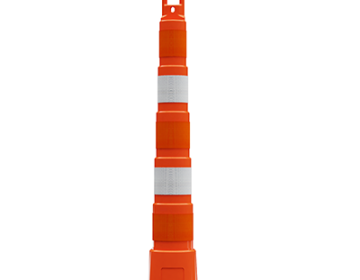 Traffic Cones & Channelizers
Traffic cones, drums, delineator posts, channelizer cones, vertical panels, and base options for work zones, parking lots, utility
Explore products →
Traffic Cones & Channelizers
Traffic cones, drums, delineator posts, channelizer cones, vertical panels, and base options for work zones, parking lots, utility
Explore products →
Traffic safety equipment, specified for the job.
Source cones, channelizers, barricades, cable protectors, signs, warning devices, and parking safety products with clearer specification, packing, and bulk-order support.
- Specification review
- Bulk and OEM orders
- Export packing support
Start with the application. Then narrow the specification.
The catalog is organized around the way safety buyers actually source: deployment environment, device type, performance details, and order format.
See category overview
Traffic Cones & Channelizers
Traffic cones, drums, delineator posts, channelizer cones, vertical panels, and base options for work zones, parking lots, utility
Explore products →
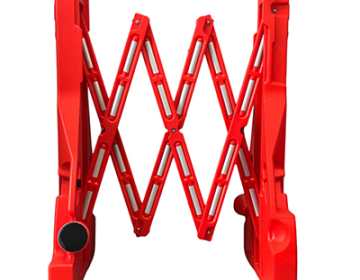 Barricades & Barriers
Type I, Type II, Type III, A-frame, water-filled, crowd-control, and site barrier products for traffic control, perimeter separation,
Explore products →
Barricades & Barriers
Type I, Type II, Type III, A-frame, water-filled, crowd-control, and site barrier products for traffic control, perimeter separation,
Explore products →
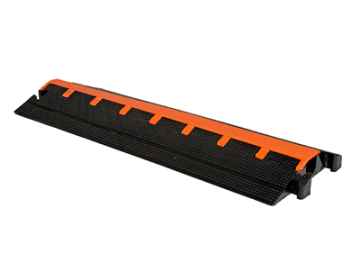 Cable Protectors & Ramps
Single-channel and multi-channel cable protectors, hose bridges, curb ramps, threshold ramps, and trench cover options for work sites,
Explore products →
Cable Protectors & Ramps
Single-channel and multi-channel cable protectors, hose bridges, curb ramps, threshold ramps, and trench cover options for work sites,
Explore products →
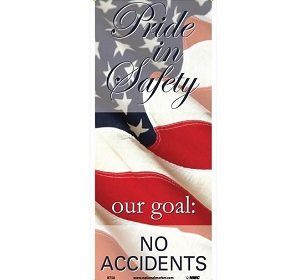 Traffic Signs & Stands
Regulatory signs, warning signs, roll-up signs, stop/slow paddles, sign posts, sign bases, portable stands, and mounting hardware for
Explore products →
Traffic Signs & Stands
Regulatory signs, warning signs, roll-up signs, stop/slow paddles, sign posts, sign bases, portable stands, and mounting hardware for
Explore products →
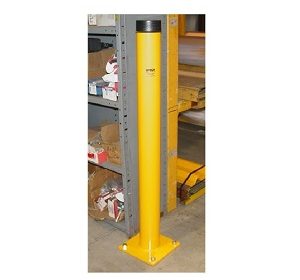 Parking Lot Safety
Speed bumps, speed humps, parking stops, bollards, wheel chocks, mirrors, column protectors, corner guards, pavement markers, and parking
Explore products →
Parking Lot Safety
Speed bumps, speed humps, parking stops, bollards, wheel chocks, mirrors, column protectors, corner guards, pavement markers, and parking
Explore products →
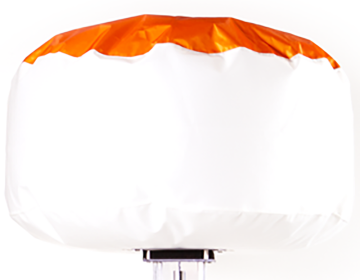 Warning Lights & Devices
Traffic wands, LED batons, barricade lights, cone lights, road flares, beacons, flashers, and illuminated warning devices for low-light
Explore products →
Warning Lights & Devices
Traffic wands, LED batons, barricade lights, cone lights, road flares, beacons, flashers, and illuminated warning devices for low-light
Explore products →
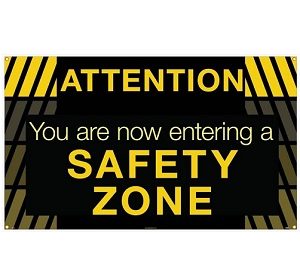 Work Zone Supplies
Sandbags, flags, tapes, safety fence, stop/slow paddles, markers, paints, accessories, and site supplies that support traffic control setup
Explore products →
Work Zone Supplies
Sandbags, flags, tapes, safety fence, stop/slow paddles, markers, paints, accessories, and site supplies that support traffic control setup
Explore products →
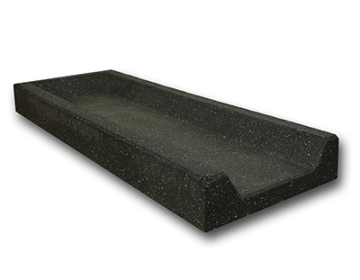 Facility & Industrial Safety
Facility protectors, floor safety, mirrors, guards, mats, spill-control support, and industrial safety products for warehouses, campuses, and service
Explore products →
Facility & Industrial Safety
Facility protectors, floor safety, mirrors, guards, mats, spill-control support, and industrial safety products for warehouses, campuses, and service
Explore products →
Products buyers are comparing now
Use a product page as the starting point, then send the target quantity and any required options for a project or distributor quote.
Browse all products
Navicade™ 42" Channelizer Cone (4" DG Sheeting)
SKU AUTO-001158
View specifications →
Expandable Portable Plastic Barricade
SKU AUTO-001118
View specifications →
Elasco MightyGuard 2" Single-Channel Cable Protector
SKU AUTO-001147
View specifications →
Pride in Safety - Our Goal No Accidents Sign
SKU AUTO-001030
View specifications →
Post Shield 4" Diameter x 48" Pipe Bollard - Yellow
SKU AUTO-001123
View specifications →
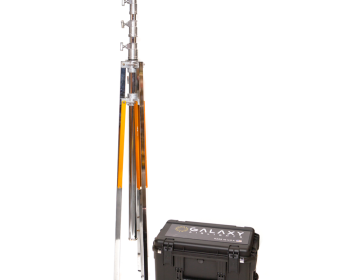 Portable LED Balloon Light Tower with Industrial Tripod Mount
SKU AUTO-000976
View specifications →
Portable LED Balloon Light Tower with Industrial Tripod Mount
SKU AUTO-000976
View specifications →
A practical sourcing path for complex catalogs
The goal is to reduce ambiguous quotes and make product, packing, and documentation decisions visible before an order moves forward.
- Send the requirement
Share links, drawings, product names, quantities, destination, and delivery target.
- Confirm the specification
Review dimensions, materials, options, packing, and any required documents.
- Receive a matched quote
Pricing is prepared for the confirmed product and order requirements.
Already have a spreadsheet? Paste the item list and key requirements into the RFQ form.
Build an RFQBuyer guides that make RFQs easier to compare
Traffic Cone Spacing: How to Read MUTCD Taper and Tangent Guidance
Read MUTCD traffic cone spacing guidance for tapers and tangents, then check the TTC plan, state rules and site conditions before ordering.
Read the guide →Traffic Barricade Types: Type I, II, III, Drums, Cones and When Each Fits
Compare Type I, II and III barricades, cones, drums and barriers using MUTCD guidance, then build a clearer traffic-control equipment request.
Read the guide →Work Zone Supplies RFQ Guide: Sandbags, Lights, Tape, Markers
A practical guide for adding sandbags, safety fence, tape, warning lights, pavement markers, flags, and accessories to traffic control supply orders.
Read the guide →Common questions from traffic safety buyers
A detailed first request usually produces a more useful first response.
Send your requirementsWhat should I include in a quote request?
Include the application, product link or drawing, dimensions, material or reflective requirement, target quantity, packing rule, destination country, and delivery target when available.
Can GRXEL help compare similar products?
Yes. The comparison can be structured around the fields that change suitability and price, such as height, base weight, sheeting, channel size, connector type, load expectation, hardware, and packing.
Do you support OEM labels and bulk packing?
OEM labels, carton marks, pallet planning, and other order-format requirements can be reviewed as part of the RFQ. Availability depends on the product and quantity.
Does a catalog listing confirm local compliance?
No. Device type, reflectivity, placement, load, accessibility, and other requirements must be confirmed against the buyer specification and the rules that apply at the project location.